
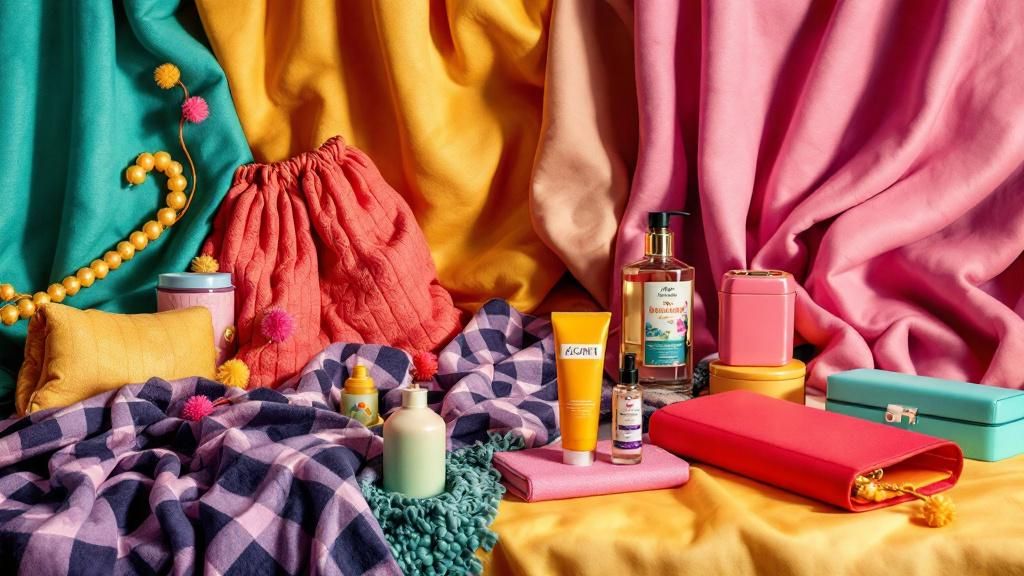
The pioneering photographer Claire Aho, Finland’s pioneering colour photographer, brought wit, sophistication, and cinematic flair to postwar visual culture at a time when the medium was dominated by men. Working throughout the 1950s and subsequent decades, Aho converted ordinary scenes into elegant compositions whilst presenting confident, modern women who embodied the optimism of postwar Finland. Now, nearly a decade after her passing in 2015, her pioneering work is being celebrated in a significant exhibition at Hundred Heroines Museum in Stroud. “Colour Me Modern: Claire Aho and the New Woman” runs until 31 May and showcases how the Finnish photographer—affectionately known as the “grand old lady of Finnish photography”—contributed to establishing an entirely new visual vocabulary for her nation via her innovative approach to colour techniques and keen compositional eye.
Making Progress in a Male-Centric Industry
During the nineteen-fifties, when Aho was building her career as a photographer, the photography and advertising industries were largely the preserve of men. Yet she pressed ahead, becoming one of the very few women creating colour images in Finland during that era. Her move into photography was facilitated by her father, Heikki Aho, who was an skilled photographer and film-maker. Following in his footsteps, she initially served as a documentary filmmaker before setting up her own practice in the early 1950s, a bold move that would ultimately reshape Finnish photographic culture.
Aho’s varied portfolio reflected her adaptability and drive within a field that offered few opportunities for women. Her assignments spanned editorial and magazine projects to prominent marketing initiatives and fashion-focused imagery. She became a regular contributor to leading women’s publications, including the well-established title Eeva and the more modern Me Naiset (We the Women), where she recorded fashion narratives and portraits of celebrities at a pivotal moment when Finnish television was presenting new audiences to rising figures and contemporary ways of living.
- One of a small number of women producing colour photography in Finland during the 1950s
- Acquired photography craft from her father, Heikki Aho
- Moved from documentary film-making to studio-based photography
- Worked across fashion, editorial, advertising, and celebrity portrait work
Commanding Colour While Others Avoided It
Whilst numerous contemporaries were doubtful of colour photography’s viability, Aho adopted the medium with distinctive confidence. Her father’s direct comments about the inferior standard of colour work created in Finland became a stimulus to her ambitions. As post-1945 limitations eased and photographic equipment became increasingly available, she took advantage to develop innovative techniques that would produce the beautifully saturated, durably fixed images that Finnish industry urgently required. Her groundbreaking practice came at the ideal juncture when advertising and fashion work were transitioning away from black-and-white, establishing market demand and prospects for a photographer of her talent and creative outlook.
Aho understood colour not merely as a technical achievement but as a contemporary visual language—one that could convey modernity, optimism and style to postwar audiences hungry for change. By the 1950s, she had positioned herself as one of Finland’s few accomplished specialists of colour photography, capable of guaranteeing both the durability and precision of colours across the complete production process. This specialised knowledge proved indispensable to commercial clients and publishing houses alike, establishing her as an vital contributor in Finland’s visual modernisation during a period of significant change.
From Documentary Film to Studio Innovation
Aho’s formative career trajectory reflected her desire to perfect different forms of visual storytelling. Beginning as a documentary filmmaker—a logical continuation of her father’s influence—she cultivated an acute sensitivity to compositional narrative and authentic human moments. This foundation proved instrumental when she moved into studio photography in the early 1950s. The skills she had developed in documentary filmmaking—observing light, recording authentic emotion, and constructing compelling visual narratives—translated seamlessly into her commercial work, giving her advertising and fashion work an surprising authenticity that set her apart from more conventional studio photographers.
Her creation of an independent studio represented a turning point in her career, enabling her to develop projects with greater creative autonomy. Rather than treating fashion and advertising as disconnected from artistic endeavour, Aho wove the compositional rigour and emotional acuity she had developed through documentary work into every commercial assignment. This approach enhanced her advertising campaigns and fashion editorials past mere product promotion, converting them into precisely executed visual statements that expressed the aspirations and aesthetic sensibilities of modern Finland.
Celebrating Finland’s Commercial Revival
The 1950s represented a crucial juncture in Finnish consumer marketplace, as wartime restrictions lifted and new consumer goods flooded the marketplace. Aho’s photography played a key role in capturing and showcasing this cultural shift, conveying the energy and hopefulness that marked Finland’s commercial revival. Her promotional work for major brands including Marimekko and Fazer Finlandia transformed ordinary goods into must-have purchases, imbuing them with elegance and refinement. Through her lens, Finnish design and production presented itself not as basic goods but as symbols of national character and modernity. Her work captured the broader cultural narrative of a nation transforming itself through modern design principles and forward-thinking design.
Aho’s impact transcended individual commissions; she played a key role in shaping how Finland presented itself to the world during this critical time of reconstruction. By regularly creating visually compelling advertisements and editorial spreads, she helped build Finland’s standing for design excellence and commercial innovation. Her colour photography provided credibility and visual distinction to Finnish brands at a time when international recognition remained in doubt. The technical expertise she brought to each project—the saturated hues, exact composition and cinematic sensibility—enhanced Finnish commercial landscape to a level of refinement that rivalled European and American standards, positioning the nation as a major force in design after the war and manufacturing.
- Worked with prestigious Finnish brands including Marimekko and Fazer Finlandia during the 1950s
- Produced style features for women’s magazines Eeva and Me Naiset regularly
- Photographed emerging Finnish celebrities gaining prominence through recently introduced television sets
- Developed dependable colour photographic methods that ensured permanence and accuracy in production
- Transformed commercial photography into refined visual expressions reflecting postwar optimism and style
Fashion and Design as A Matter of National Pride
Finnish fashion and design during the postwar era|in the postwar period became vehicles for national expression and cultural pride. Aho’s editorial work for women’s magazines documented the emergence of a distinctly Finnish aesthetic—one that balanced modernist principles with accessible elegance. Her portraits of celebrities and fashion models conveyed a new type of Finnish woman: confident, contemporary and aspirational. Through her photography, she presented fashion not as frivolous luxury but as a legitimate expression of national identity. The magazines she regularly contributed to, particularly the forward-thinking Me Naiset, positioned fashion and design as central to Finland’s cultural conversation, and Aho’s striking visual language gave these conversations considerable weight and cultural authority.
Her partnership with design-led brands like Marimekko demonstrated a fuller appreciation of Finnish design philosophy. Rather than simply documenting products, Aho’s advertisements explored the conceptual underpinnings of Finnish modernism—clarity, functionality and visual honesty. Her colour choices worked alongside the bold geometric patterns and innovative materials that defined Finnish design, producing aesthetic coherence that cemented the nation’s reputation for design excellence. By presenting these products with cinematic refinement and compositional precision, Aho raised Finnish design to global prominence, proving that modern commercial practice could be both commercially successful and artistically rigorous.
The Science of Wit and Composition
Claire Aho’s photographs transcended the purely commercial through her nuanced grasp of compositional structure and narrative vision. Whether shooting editorial fashion work, product advertisements or celebrity portraiture, she introduced a notably cinematic sensibility to her work. Her discerning vision for visual arrangement elevated everyday scenes into deliberately constructed visual declarations. The dynamic relationship between light, shadow and colour in her images reveals an artist profoundly committed to modernist visual traditions whilst remaining accessible to popular audiences. This equilibrium of artistic integrity and mass appeal differentiated Aho from her contemporaries and cemented her standing as a visionary who elevated photography of postwar Finland to the status of art.
Aho’s compositional approach often integrated surprising instances of wit and playfulness, subverting expectations within the commercial sphere. A woman positioned behind glass, a arrangement of flowers conveying energy and liveliness—these choices showcased her ability to infuse humour and character into assignments. She recognised that colour itself could be a vehicle for expression, using saturated hues not merely for accuracy but as an means of emotional and intellectual expression. Her photographs prompted viewers to interact intellectually and simultaneously appealing to their visual appreciation, proving that commercial projects need not forgo innovation or intellectual substance for financial success.
| Photographic Approach | Key Achievement |
|---|---|
| Cinematic composition and framing | Transformed everyday scenes into sophisticated visual narratives |
| Pioneering colour saturation techniques | Guaranteed permanence and accuracy whilst achieving artistic expression |
| Integration of wit and visual playfulness | Elevated commercial photography to conceptual art |
| Modernist aesthetic applied to mass media | Bridged gap between artistic integrity and popular accessibility |
Documenting Everyday Life with Humour
Aho possessed a unique ability to uncover humour and visual interest within mundane subject matter. Her commercial work—whether capturing sweets, flowers or household products—became opportunities for creative exploration. She tackled each brief with real inquisitiveness, seeking compositional angles and colour combinations that revealed unexpected beauty or wit. This approach transformed product photography from basic documentation into something resembling fine art. Her images suggested that everyday objects merited serious aesthetic consideration, reflecting wider postwar perspectives about design and commercial activity establishing themselves as valid cultural expressions.
The humour in Aho’s work was never forced or obvious; instead, it emerged naturally from her acute observational skills and compositional choices. A precisely placed model, an unexpected perspective, a striking combination of colours—these understated techniques created photographs that captivated audiences upon repeated viewing. This sophisticated approach to commercial projects demonstrated that popular culture and creative aspiration were not incompatible. Aho’s legacy rests partly on her conviction that wit, intelligence and visual pleasure could coexist within the commercial sphere, enhancing the entire medium of postwar Finnish photographic practice.
Impact of an Unrecognised Pioneer
Claire Aho’s impact on Finnish visual culture have long remained underappreciated, overshadowed by the male-centric discourse of postwar photography history. Yet her groundbreaking practice in colour photography during the 1950s fundamentally reshaped how Finland presented itself to the world. She proved that technical expertise and creative vision were not competing concerns but mutually reinforcing elements. Her capacity to ensure colour permanence whilst producing vivid, emotionally charged photographs addressed a technical challenge that had troubled the field, whilst creating new visual opportunities. Aho demonstrated that women could excel in domains historically dominated by men, creating pieces of authentic originality and enduring cultural importance.
Currently, acknowledgement of Aho’s impact continues to grow, especially via exhibitions like “Colour Me Modern” at Hundred Heroines Museum. Her photographs offer modern audiences a window into a crucial period of Finnish modernisation, capturing the confidence, aesthetic sophistication and economic vitality of the post-war period. The display underscores how Aho’s work went beyond commercial assignments, functioning as a visual documentation of social change. Her assured depiction of modern women, her sophisticated use of colour as a conceptual language, and her refusal to accept inferior standards in a male-dominated field collectively establish her as a pioneering force. Aho’s legacy demonstrates that overlooked pioneers warrant adequate scholarly recognition and ongoing academic focus.
- One of Finland’s rare female colour photographers working professionally during the 1950s
- Developed advanced colour saturation methods guaranteeing longevity and artistic quality
- Elevated commercial and advertising photography to sophisticated artistic endeavour
- Depicted contemporary Finnish women with confidence, style, and contemporary visual language
